 An official website of the United States government
Yohimbe
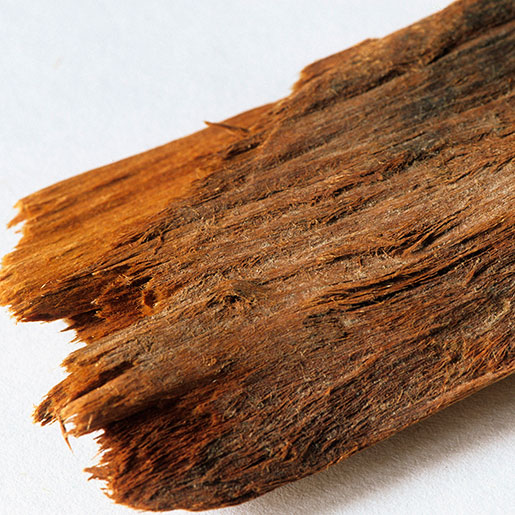
Common Names: yohimbe, johimbi
Latin Names: Pausinystalia yohimbe
Background
- Yohimbe is an evergreen tree native to central and western Africa. It has a compound called yohimbine in its bark. The bark has been used traditionally as an aphrodisiac and to enhance sexual performance.
- Yohimbe is promoted for erectile dysfunction, athletic performance, weight loss, angina (chest pain caused by not enough blood flow to the heart), high blood pressure, diabetic neuropathy, and more.
- Yohimbine hydrochloride, a standardized form of yohimbine, is available in the United States as a prescription drug. This is a different product than dietary supplements made from the bark of the tree.
How Much Do We Know?
- There is very little research in people on the effects of yohimbe as a dietary supplement. But studies have documented the risks of taking it.
What Have We Learned?
- The amount of yohimbine in dietary supplements may vary; some yohimbe products contain very little yohimbine. Yohimbe sold as a dietary supplement may not work like the prescription medication that contains yohimbine. It is illegal in the United States to market an over-the-counter product containing yohimbine as a treatment for erectile dysfunction without getting approval from the U.S. Food and Drug Administration to do so.
- There is not enough research to say whether yohimbe as a dietary supplement is helpful for any condition, including erectile dysfunction, athletic performance, or weight loss.
What Do We Know About Safety?
- Yohimbe has been associated with heart attacks and seizures.
- Because of inaccurate labeling and potential for serious side effects, yohimbe supplements have been restricted or banned in many countries.
- Yohimbe caused stomach problems, tachycardia (a rapid heartbeat), anxiety, and high blood pressure, according to a study comparing calls about yohimbe and other substances made to the California Poison Control System between 2000 and 2006. People calling about yohimbe were generally more likely to need medical care than other callers.
- Most yohimbe products don’t say how much yohimbine they contain. The amount may vary a lot among products, according to a 2015 analysis of 49 brands of supplements labeled as containing yohimbe or yohimbine for sale in the United States. Some of the yohimbine was either synthetic or from highly processed plant extract. Most of the supplements did not provide information about known side effects.
- It might be unsafe to use yohimbe orally (taken by mouth) during pregnancy and while breastfeeding.
- It might be unsafe for children to take yohimbe orally.
- Do not use yohimbe if you are taking a type of antidepressant medication called monoamine oxidase inhibitors, such as phenelzine (Nardil) and tranylcypromine (Parnate). Yohimbe can interact with these medications.
Keep in Mind
- Take charge of your health—talk with your health care providers about any complementary health approaches you use. Together, you can make shared, well-informed decisions.
NCCIH Clearinghouse
The NCCIH Clearinghouse provides information on NCCIH and complementary and integrative health approaches, including publications and searches of Federal databases of scientific and medical literature. The Clearinghouse does not provide medical advice, treatment recommendations, or referrals to practitioners.
Toll-free in the U.S.: 1-888-644-6226
Telecommunications relay service (TRS): 7-1-1
Website: https://www.nccih.nih.gov
Email: info@nccih.nih.gov (link sends email)
PubMed®
A service of the National Library of Medicine, PubMed® contains publication information and (in most cases) brief summaries of articles from scientific and medical journals. For guidance from NCCIH on using PubMed, see How To Find Information About Complementary Health Approaches on PubMed.
Website: https://pubmed.ncbi.nlm.nih.gov/
Office of Dietary Supplements (ODS), National Institutes of Health (NIH)
ODS seeks to strengthen knowledge and understanding of dietary supplements by evaluating scientific information, supporting research, sharing research results, and educating the public. Its resources include publications (such as Dietary Supplements: What You Need To Know) and fact sheets on a variety of specific supplement ingredients and products (such as vitamin D and multivitamin/mineral supplements).
Website: https://ods.od.nih.gov
Email: ods@nih.gov (link sends email)
Key References
- Betz JM. Yohimbe. In: Coates PM, Betz JM, Blackman MR, et al., eds. Encyclopedia of Dietary Supplements. 2nd ed. New York, NY: Informa Healthcare; 2010:861-868.
- Brown AC. Heart toxicity related to herbs and dietary supplements: online table of case reports. Part 4 of 5. Journal of Dietary Supplements. 2018;15(4):516-555.
- Cohen PA, Wang Y-H, Maller G, et al. Pharmaceutical quantities of yohimbine found in dietary supplements in the USA. Drug Testing and Analysis. 2016;8(3-4):357-369.
- Kearney T, Tu N, Haller C. Adverse drug events associated with yohimbine-containing products: a retrospective review of the California Poison Control System reported cases. Annals of Pharmacotherapy. 2010;44(6):1022-1029.
- Yohimbe. Natural Medicines website. Accessed at naturalmedicines.therapeuticresearch.com on April 29, 2020. [Database subscription].
This publication is not copyrighted and is in the public domain. Duplication is encouraged.
NCCIH has provided this material for your information. It is not intended to substitute for the medical expertise and advice of your health care provider(s). We encourage you to discuss any decisions about treatment or care with your health care provider. The mention of any product, service, or therapy is not an endorsement by NCCIH.