 An official website of the United States government
Sleep Disorders: What You Need To Know
What’s the Bottom Line?
What do we know about the usefulness of complementary approaches for sleep disorders?
- Relaxation techniques are sometimes included in cognitive behavioral therapy for insomnia (CBT-I), the most strongly recommended treatment for insomnia. Relaxation techniques by themselves have a small amount of low-quality evidence for helping with insomnia. They may still be recommended in certain situations, depending on individual preferences, health provider qualifications, and treatment availability.
- Yoga and tai chi may help improve sleep quality but not necessarily insomnia.
- Melatonin supplements may be helpful for sleep problems caused by shift work or jet lag. Melatonin may also be helpful for improving sleep-onset latency (how quickly a person falls asleep) and daytime sleepiness in people with insomnia but not other aspects of insomnia. Two clinical practice guidelines, one from 2017 and another from 2019, recommended against using melatonin for treating chronic insomnia.
- The evidence for other complementary approaches is either inconsistent or too limited to draw conclusions about whether they are helpful for sleep disorders.
What do we know about the safety of complementary approaches for sleep disorders?
- Relaxation techniques are generally considered safe.
- Melatonin appears to be relatively safe for short-term use, but its long-term safety has not been established. Use of over-the-counter melatonin might place children and teenagers at risk for accidental or intentional overdose. A 2022 study showed that from 2012 to 2021, hospitalization and serious outcomes from melatonin ingestion by people 19 years and younger increased.
- There are serious safety concerns about kava products (which have been linked to severe liver damage) and L-tryptophan supplements (which may cause life-threatening serotonin toxicity when used with medicines that affect serotonin metabolism).
- If you use a complementary approach for a sleep problem, tell your health care providers. They can do a better job caring for you if they know what you’re using.
What Are Sleep Disorders and How Important Are They?
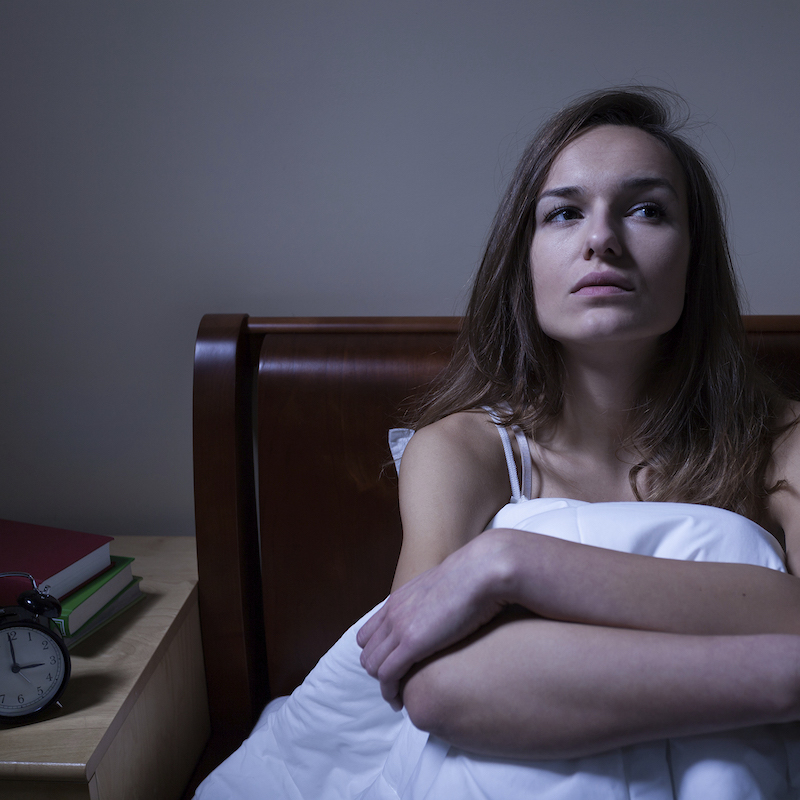
There are more than 70 different sleep disorders. This fact sheet primarily focuses on insomnia—difficulty falling asleep or difficulty staying asleep. Insomnia is one of the most common sleep disorders. This fact sheet also includes some information on sleep apnea, a common sleep disorder that occurs when a person’s breathing stops briefly or becomes very shallow during sleep.
More Information
Chronic, long-term sleep disorders affect millions of Americans each year. These disorders and the sleep deprivation they cause can interfere with work, driving, social activities, and overall quality of life, and can have serious health implications.
To learn more about sleep, sleep deprivation and deficiency, and sleep disorders, visit the National Heart, Lung, and Blood Institute (NHLBI) website.
Is It a Sleep Disorder or Not Enough Sleep?
Some people who feel tired during the day have a true sleep disorder, but for others, the real problem is not allowing enough time for sleep. Adults need at least 7 to 8 hours of sleep each night to be well rested.
Sleep is a basic human need, like eating, drinking, and breathing, and is vital to good health and well-being. Shortchanging yourself on sleep slows your thinking and reaction time, makes you irritable, and increases your risk of injury. It may even decrease your resistance to infections and increase your risk of obesity, heart disease, diabetes, high blood pressure, and depression. Having a poor sleep pattern in terms of sleep duration, difficulty falling and staying asleep, waking up feeling unrested, and using sleep medication has been associated with a decreased life expectancy.
To learn more about healthy sleep habits and what happens when you don’t get enough sleep, visit NHLBI’s What Are Sleep Deprivation and Deficiency? To learn more about research on sleep, visit NHLBI’s Advancing Heart, Lung, Blood, and Sleep Research.
About Complementary Health Approaches
Complementary approaches can be classified by their primary therapeutic input (how the therapy is taken in or delivered), which may be:
- Nutritional (e.g., special diets, dietary supplements, herbs, probiotics, and microbial-based therapies).
- Psychological (e.g., meditation, hypnosis, music therapies, relaxation therapies).
- Physical (e.g., acupuncture, massage, spinal manipulation).
- Combinations such as psychological and physical (e.g., yoga, tai chi, dance therapies, some forms of art therapy) or psychological and nutritional (e.g., mindful eating).
Nutritional approaches include what the National Center for Complementary and Integrative Health (NCCIH) previously categorized as natural products, whereas psychological and/or physical approaches include what was referred to as mind and body practices.
What the Science Says About Complementary Approaches for Sleep Disorders
Psychological and Physical Approaches
Relaxation Techniques
- There is a small amount of low-quality evidence that relaxation techniques by themselves can help with chronic insomnia. Relaxation techniques may be recommended in certain situations, depending on individual preferences, health provider qualifications, and treatment availability.
- The treatment most strongly recommended for insomnia remains multicomponent cognitive behavioral therapy for insomnia (CBT-I). CBT-I often includes types of relaxation techniques, such as progressive relaxation, abdominal breathing, and guided imagery training.
- A small randomized controlled trial of 108 women showed that progressive relaxation may help women with insomnia during menopause. Another small randomized controlled trial of 161 postmenopausal women found that training in both progressive relaxation exercises and good sleep habits helped with insomnia.
- Using relaxation techniques before bedtime can be part of a strategy to improve sleep habits that also includes other steps, such as (1) maintaining a consistent sleep schedule; (2) avoiding caffeine, nicotine, alcohol, large meals, strenuous exercise, and bright artificial light (such as from a TV, computer, or cell phone) too close to bedtime; (3) spending time outside every day; and (4) sleeping in a quiet, cool, dark room. To learn more, visit NHLBI’s webpage Healthy Sleep Habits.
- Relaxation techniques are generally considered safe for healthy people. However, occasionally, people report negative experiences such as increased anxiety, intrusive thoughts, or fear of losing control. There have been rare reports that certain relaxation techniques might cause or worsen symptoms in people with epilepsy or certain psychiatric conditions.
Music-Based Interventions
- A 2022 review of 13 studies with 1,007 adult participants found that listening to music may lead to improved reports of sleep quality among people with insomnia. (The term sleep quality refers to a collection of measures, including total time asleep, how long it takes to fall asleep, time asleep before waking, time spent awake, and satisfaction of sleep). However, there was not enough good-quality evidence to determine the effect of listening to music on the severity of insomnia or the number of times a person wakes up. The results showed that listening to music may slightly improve sleep-onset latency (how quickly a person falls asleep), sleep duration (length of time a person is asleep), sleep efficiency (amount of time a person is asleep compared to the total time spent in bed), and daytime effects.
- In general, research studies of music-based interventions do not show any negative effects. However, listening to music at too high a volume can contribute to noise-induced hearing loss. You can find out about this type of hearing loss on the National Institute on Deafness and Other Communication Disorders website.
- Because music can be associated with strong memories or emotional reactions, some people may be distressed by exposure to specific pieces or types of music.
Mindfulness
- A 2019 clinical practice guideline from the U.S. Department of Veterans Affairs and U.S. Department of Defense said there was not enough evidence to know whether mindfulness meditation is helpful for people with insomnia.
- A 2021 clinical practice guideline from the American Academy of Sleep Medicine said there was not enough evidence to make recommendations on using mindfulness by itself for insomnia.
- A 2022 review of 20 studies and 2,890 participants found that mindfulness-based stress reduction might be ineffective for improving sleep quality in people with insomnia, but the authors noted that the studies were small and showed bias.
- Mindfulness practices are usually considered to have few risks. However, few studies have examined mindfulness practices for potentially harmful effects, so it isn’t possible to make definite statements about safety.
Yoga
- A 2019 clinical practice guideline from the U.S. Department of Veterans Affairs and U.S. Department of Defense said there was insufficient evidence to recommend for or against yoga for treating insomnia.
- A 2020 review of 19 studies and 1,832 participants suggested that yoga may be helpful for improving sleep quality but not necessarily insomnia in women with sleep problems.
- A 2019 review included 4 studies of 353 older adults and found that yoga had a small-to-moderate positive effect on improving sleep quality.
- A 2022 review included 3 studies of 109 participants with rheumatic diseases and found that yoga helped improve sleep quality.
- Yoga is generally considered a safe form of physical activity for healthy people when performed properly, under the guidance of a qualified instructor. However, as with other forms of physical activity, injuries can occur. The most common injuries are sprains and strains, and the parts of the body most commonly injured are the knee or lower leg.
Tai Chi
- A 2019 clinical practice guideline from the U.S. Department of Veterans Affairs and U.S. Department of Defense said there was insufficient evidence to recommend for or against using tai chi to treat insomnia.
- The authors of a 2022 review said several studies suggested that tai chi could help improve sleep quality, particularly among older adults. They said that the impact of tai chi on insomnia, however, needs to be studied more. The review included 5 studies on tai chi (742 participants).
- Tai chi appears to be safe. A 2019 review of 24 studies (1,794 participants) found that the frequency of adverse events was similar for people doing tai chi, another active intervention, or no intervention. The adverse events that were reported as related to tai chi or other active interventions were minor, such as musculoskeletal aches and pains.
Hypnotherapy
- A 2023 review evaluated the effects of hypnotherapy on sleep for 2,551 participants in 44 studies. Some of the participants were healthy and others had different health conditions, including insomnia, pain, cancer, sickle cell disease, and various psychiatric conditions. The review found that 47.7 percent of the studies showed hypnotherapy had beneficial effects on sleep, 22.7 percent showed mixed results, and 29.5 percent showed no impact. A separate evaluation of the 11 studies (546 participants) that used hypnotic suggestions to improve sleep and included only participants with sleep disturbances saw greater beneficial effects from hypnotherapy, with 54.5 percent of the studies showing positive results, 36.4 percent showing mixed results, and 9.1 percent showing no impact.
- Hypnotherapy is generally considered safe when led by licensed hypnotherapists with special training in this technique.
Acupuncture
- A 2021 review of 11 studies and 775 participants suggested that acupuncture may help improve insomnia, but the studies were small, differed from each other in many ways (e.g., treatment dosage, acupoint selection), and judged to be low quality.
- A 2019 clinical practice guideline from the U.S. Department of Veterans Affairs and U.S. Department of Defense said there was not enough evidence to recommend for or against using acupuncture for insomnia, except for a weak recommendation for auricular acupuncture, which involves specific points on the outer ear.
- A 2020 evaluation of 7 systematic reviews (10,001 participants) on auricular acupuncture for insomnia found that the reviews suggested auricular acupuncture may be beneficial, but the quality of most of the reviews was low or critically low and the quality of the studies within the reviews was poor.
- Relatively few complications from using acupuncture have been reported. However, complications have resulted from use of nonsterile needles and improper delivery of treatments. When not delivered properly, acupuncture can cause serious adverse effects, including infections, punctured organs, and injury to the central nervous system.
Nutritional Approaches
Magnesium
- There is very little research on magnesium for insomnia. A 2021 review of 3 studies (151 participants) suggested that magnesium may help with sleep-onset latency (how quickly a person falls asleep) in older adults with insomnia. But the reviewers said the studies were of low quality and inadequate for making well-informed decisions on using magnesium.
- A 2022 review of 9 studies (7,582 participants) showed conflicting findings for magnesium’s effect on sleep quality and sleep disorders, and the reviewers said that large, well-designed studies lasting more than 12 weeks are needed.
- Magnesium in dietary supplements and medications should not be consumed in amounts above the upper limit (e.g., 110 mg for children 4 to 8 years old; 350 mg for adults and children 9 to 18 years old), unless recommended by a health care provider. High intakes of magnesium from dietary supplements and medications can cause diarrhea, nausea, and abdominal cramping. Extremely high intakes of magnesium can lead to irregular heartbeat and cardiac arrest (when the heart stops beating).
Vitamin D
- A 2022 review of 19 studies with over 18,000 participants suggested that vitamin D may help improve sleep quality, but the reviewers said its effect on sleep quantity and sleep disorders is not clear.
- Getting too much vitamin D can be harmful. Very high levels of vitamin D in your blood (greater than 375 nmol/L or 150 ng/mL) can cause nausea, vomiting, muscle weakness, confusion, pain, loss of appetite, dehydration, excessive urination and thirst, and kidney stones. Extremely high levels of vitamin D can cause kidney failure, irregular heartbeat, and even death. (High levels of vitamin D are almost always caused by consuming excessive amounts of vitamin D from dietary supplements.)
Herbs
- Although chamomile has traditionally been used for insomnia, often in the form of a tea, there is no conclusive evidence from clinical trials showing whether it is helpful. Some people, especially those who are allergic to ragweed or related plants, may have allergic reactions to chamomile.
- Although kava is said to have sedative properties, very little research has been conducted on whether this herb is helpful for insomnia. More importantly, the use of kava has been linked to liver injury that is sometimes serious or even fatal. The exact cause and frequency of the liver damage are unclear.
- Clinical trials of valerian (another herb said to have sedative properties) have had inconsistent results, and its value for insomnia has not been demonstrated. Although few people have reported negative side effects from valerian, it is uncertain whether this herb is safe for long-term use. A 2017 clinical practice guideline from the American Academy of Sleep Medicine recommended against using valerian for treating chronic insomnia.
Visit this page for more information on dietary supplements.
Other Complementary Health Approaches
Aromatherapy
- Aromatherapy is the therapeutic use of essential oils from plants. A 2021 review of 16 studies (1,346 participants) suggested that aromatherapy helped improve sleep quality and reduce symptoms in people with insomnia, but the researchers said that larger and more rigorous studies are needed.
- Safety testing on essential oils shows very few side effects or risks when they are used as directed. Allergic reactions and skin irritation may occur when essential oils are in contact with the skin for long periods of time. Sun sensitivity may occur when citrus or other essential oils are applied to the skin before going out in the sun.
- A few cases of breast tissue swelling have been reported in children who used topical products containing lavender essential oil. However, it’s unclear whether the essential oil was responsible for the breast swelling, a condition that can have many causes.
Cannabidiol (CBD) and Other Cannabinoid Therapies
- A 2020 review that included 12 studies with 250 participants indicated that there was insufficient evidence to support the use of cannabinoid therapies for treating any sleep disorder. The cannabinoid therapies that were evaluated included cannabidiol (CBD). The authors of the review said there was not much published research and that most of the studies had a moderate-to-high risk of bias.
- CBD may have side effects, including decreases in alertness, changes in mood, decreased appetite, and gastrointestinal symptoms such as diarrhea. In addition, CBD use has been associated with liver injury, male reproductive harm, and interactions with other drugs.
NCCIH Research on Sleep Disorders
NCCIH funds research on complementary health approaches for sleep disorders.
More Information
Recent projects include studies on:
- How a mindfulness-based intervention may improve poor sleep quality during pregnancy.
- The potential of the plant Centella asiatica (also called gotu kola) in promoting functional resilience to some of the challenges of growing older, including sleep deprivation.
- The effects of CBD on sleep in people with multiple sclerosis and chronic pain.
- The feasibility of using acupuncture to help manage multiple symptoms, including sleep disturbances, of breast cancer survivors who are receiving endocrine therapy at Federally Qualified Health Centers.
Could You Have Sleep Apnea?
Do you snore loudly? Does your bed partner say that you make gasping or snorting sounds during the night? Do you fight off sleepiness during the day?
If you have any of these symptoms, talk to your health care provider. You might have sleep apnea—a condition in which sleep is disrupted because of pauses in breathing. For more information, visit the NHLBI website.
More Information
A 2020 review of 9 studies and 584 participants suggested that acupuncture might help improve breathing in obstructive sleep apnea, but the researchers said the quality of evidence was low to very low. Three studies looked at safety, and none of them had reports of side effects from the acupuncture treatment. There is very limited, if any, research on other complementary approaches for obstructive sleep apnea.
A 2019 review of 13 randomized controlled trials and 22 uncontrolled before-and-after studies (1,420 participants) suggested that conventional lifestyle interventions (diet, exercise, good sleep habits, and tobacco and alcohol cessation) may help improve sleep apnea. Weight loss through diet and exercise was found to be most effective for male patients with moderate-to-severe obstructive sleep apnea.
More To Consider
- Be cautious about using any sleep product—prescription medications, over-the-counter medications, dietary supplements, or homeopathic remedies. Find out about potential side effects and any risks from long-term use or combining products.
- Keep in mind that “natural” does not always mean safe. Also, a manufacturer’s use of the term “standardized” (or “verified” or “certified”) does not necessarily guarantee product quality or consistency. Dietary supplements can cause health problems if not used correctly. The health care providers you see about your sleep problems can advise you.
- If you are pregnant, nursing a child, or considering giving a child a dietary supplement, it is especially important to consult your (or the child’s) health care provider.
- If you are considering a practitioner-provided complementary health practice, check with your insurer to see if the services will be covered, and ask a trusted source (such as your health care provider or a nearby hospital or medical school) to recommend a practitioner.
- Take charge of your health—talk with your health care providers about any complementary health approaches you use. Together, you can make shared, well-informed decisions.
For More Information
NCCIH Clearinghouse
The NCCIH Clearinghouse provides information on NCCIH and complementary and integrative health approaches, including publications and searches of Federal databases of scientific and medical literature. The Clearinghouse does not provide medical advice, treatment recommendations, or referrals to practitioners.
Toll-free in the U.S.: 1-888-644-6226
Telecommunications relay service (TRS): 7-1-1
Website: https://www.nccih.nih.gov
Email: info@nccih.nih.gov (link sends email)
Know the Science
NCCIH and the National Institutes of Health (NIH) provide tools to help you understand the basics and terminology of scientific research so you can make well-informed decisions about your health. Know the Science features a variety of materials, including interactive modules, quizzes, and videos, as well as links to informative content from Federal resources designed to help consumers make sense of health information.
Explaining How Research Works (NIH)
Know the Science: How To Make Sense of a Scientific Journal Article
National Heart, Lung, and Blood Institute (NHLBI)
The NHLBI Health Information Center provides information to health professionals, patients, and the public about heart, lung, and blood diseases and sleep disorders and accepts orders for publications.
P.O. Box 30105
Bethesda, MD 20824-0105
National Center on Sleep Disorders Research
Toll-free in the U.S.: 1-877-NHLBI4U (1-877-645-2448)
Website: https://www.nhlbi.nih.gov
Email: nhlbiinfo@nhlbi.nih.gov (link sends email)
MedlinePlus
To provide resources that help answer health questions, MedlinePlus (a service of the National Library of Medicine) brings together authoritative information from the National Institutes of Health as well as other Government agencies and health-related organizations.
Information on sleep disorders
Website: https://www.medlineplus.gov
PubMed®
A service of the National Library of Medicine, PubMed® contains publication information and (in most cases) brief summaries of articles from scientific and medical journals. For guidance from NCCIH on using PubMed, see How To Find Information About Complementary Health Approaches on PubMed.
Website: https://pubmed.ncbi.nlm.nih.gov/
Key References
- Abboud M. Vitamin D supplementation and sleep: a systematic review and meta-analysis of intervention studies. Nutrients. 2022;14(5):1076.
- Arab A, Rafie N, Amani R, et al. The role of magnesium in sleep health: a systematic review of available literature. Biological Trace Element Research. 2023;201(1):121-128.
- Baglioni C, Bostanova Z, Bacaro V, et al. A systematic review and network meta-analysis of randomized controlled trials evaluating the evidence base of melatonin, light exposure, exercise, and complementary and alternative medicine for patients with insomnia disorder. Journal of Clinical Medicine. 2020;9(6):1949.
- Bian T, Corral P, Wang Y, et al. Kava as a clinical nutrient: promises and challenges. Nutrients. 2020;12(10):3044.
- Bradt J, Dileo C, Magill L, et al. Music interventions for improving psychological and physical outcomes in cancer patients. Cochrane Database of Systematic Reviews. 2016;(8):CD006911. Accessed at cochranelibrary.com on February 24, 2023.
- Bradt J, Dileo C, Shim M. Music interventions for preoperative anxiety. Cochrane Database of Systematic Reviews. 2013;(6):CD006908. Accessed at cochranelibrary.com on February 24, 2023.
- Carneiro-Barrera A, Díaz-Román A, Guillén-Riquelme A, et al. Weight loss and lifestyle interventions for obstructive sleep apnoea in adults: systematic review and meta-analysis. Obesity Reviews. 2019;20(5):750-762.
- de Orleans Casagrande P, Coimbra DR, de Souza LC, et al. Effects of yoga on depressive symptoms, anxiety, sleep quality, and mood in patients with rheumatic diseases: systematic review and meta-analysis. PM & R: The Journal of Injury, Function, and Rehabilitation. June 20, 2022. [Epub ahead of print].
- Edinger JD, Arnedt JT, Bertisch SM, et al. Behavioral and psychological treatments for chronic insomnia disorder in adults: an American Academy of Sleep Medicine clinical practice guideline. Journal of Clinical Sleep Medicine. 2021;17(2):255-262.
- Fatemeh G, Sajjad M, Niloufar R, et al. Effect of melatonin supplementation on sleep quality: a systematic review and meta-analysis of randomized controlled trials. Journal of Neurology. 2022;269(1):205-216.
- Huang J, Shen M, Qin X, et al. Effectiveness of auricular acupuncture for insomnia: an overview of systematic reviews. Evidence-Based Complementary and Alternative Medicine. 2020;2020:6920902.
- Jespersen KV, Pando-Naude V, Koenig J, et al. Listening to music for insomnia in adults. Cochrane Database of Systematic Reviews. 2022;8(8):CD010459. Accessed at cochranelibrary.com on January 25, 2023.
- Lelak K, Vohra V, Neuman MI, et al. Pediatric Melatonin Ingestions - United States, 2012-2021. MMWR Morbidity and Mortality Weekly Report. 2022;71(22):725-729.
- Kim SM, Park JM, Seo H-J, et al. Effects of mindfulness-based stress reduction on adults with sleep disturbance: an updated systematic review and meta-analysis. BMJ Open. 2022;12(11):e058032.
- Mah J, Pitre T. Oral magnesium supplementation for insomnia in older adults: a systematic review & meta-analysis. BMC Complementary Medicine Therapies. 2021;21(1):125.
- Mysliwiec V, Martin JL, Ulmer CS, et al. The management of chronic insomnia disorder and obstructive sleep apnea: synopsis of the 2019 U.S. Department of Veterans Affairs and U.S. Department of Defense Clinical Practice Guidelines. Annals of Internal Medicine. 2020;172(5):325-336.
- Sateia MJ, Buysse DJ, Krystal AD, et al. Clinical practice guideline for the pharmacologic treatment of chronic insomnia in adults: an American Academy of Sleep Medicine Clinical Practice Guideline. Journal of Clinical Sleep Medicine. 2017;13(2):307-349.
- Sivaramakrishnan D, Fitzsimons C, Kelly P, et al. The effects of yoga compared to active and inactive controls on physical function and health related quality of life in older adults—systematic review and meta-analysis of randomised controlled trials. International Journal of Behavioral Nutrition and Physical Activity. 2019;16(1):33.
- Substance Abuse and Mental Health Services Administration. Cannabidiol (CBD)— Potential Harms, Side Effects, and Unknowns. Accessed at https://store.samhsa.gov/sites/default/files/pep22-06-04-003.pdf on February 24, 2023.
- Suraev AS, Marshall NS, Vandrey R, et al. Cannabinoid therapies in the management of sleep disorders: a systematic review of preclinical and clinical studies. Sleep Medicine Reviews. 2020;53:101339.
- Tang Y, Gong M, Qin X, et al. The therapeutic effect of aromatherapy on insomnia: a meta-analysis. Journal of Affective Disorders. 2021;288:1-9.
- van der Steen JT, Smaling HJ, van der Wouden JC, et al. Music-based therapeutic interventions for people with dementia. Cochrane Database of Systematic Reviews. 2018;7(7):CD003447. Accessed at cochranelibrary.com on February 24, 2023.
- Verma K, Singh D, Srivastava A. The impact of complementary and alternative medicine on insomnia: a systematic review. Cureus. 2022;14(8):e28425.
- Wang W-L, Chen K-H, Pan Y-C, et al. The effect of yoga on sleep quality and insomnia in women with sleep problems: a systematic review and meta-analysis. BMC Psychiatry. 2020;20(1):195.
- Wofford N, Snyder M, Corlett CE, et al. Systematic review of hypnotherapy for sleep and sleep disturbance. International Journal of Clinical and Experimental Hypnosis. 2023;71(3):176-215.
- Zhao F-Y, Fu Q-Q, Kennedy GA, et al. Can acupuncture improve objective sleep indices in patients with primary insomnia? A systematic review and meta-analysis. Sleep Medicine. 2021;80:244-259.
Other References
- Adams D, Cheng F, Jou H, et al. The safety of pediatric acupuncture: a systematic review. Pediatrics. 2011;128(6):e1575-1587.
- Andersen LPH, Gögenur I, Rosenberg J, et al. The safety of melatonin in humans. Clinical Drug Investigation. 2016;36(3):169-175.
- Astin JA, Shapiro SL, Eisenberg DM, et al. Mind-body medicine: state of the science, implications for practice. Journal of the American Board of Family Practice. 2003;16(2):131-147.
- Becker MW, Lourençone EMS, De Mello AF, et al. Liver transplantation and the use of kava: case report. Phytomedicine. 2019;56:21-26.
- Bruni O, Angriman M, Melegari MG, et al. Pharmacotherapeutic management of sleep disorders in children with neurodevelopmental disorders. Expert Opinion on Pharmacotherapy. 2019;20(18):2257-2271.
- Carriedo-Diez B, Tosoratto-Venturi JL, Cantón-Manzano C, et al. The effects of the exogenous melatonin on shift work sleep disorder in health personnel: a systematic review. International Journal of Environmental Research and Public Health. 2022;19(16):10199.
- Chamine I, Atchley R, Oken BS. Hypnosis intervention effects on sleep outcomes: a systematic review. Journal of Clinical Sleep Medicine. 2018;14(2):271-283.
- Chan MWC, Wu XY, Wu JCY et al. Safety of acupuncture: overview of systematic reviews. Scientific Reports. 2017;7(1):3369.
- Chan V, Wang L, Allman-Farinelli M. Efficacy of functional foods, beverages, and supplements claiming to alleviate air travel symptoms: systematic review and meta-analysis. Nutrients. 2021;13(3):961.
- Cramer H, Krucoff C, Dobos G. Adverse events associated with yoga: a systematic review of published case reports and case series. PloS One. 2013;8(10):e75515.
- Cramer H, Ward L, Saper R, et al. The safety of yoga: a systematic review and meta-analysis of randomized controlled trials. American Journal of Epidemiology. 2015;182(4):281-293.
- Cramer H, Ostermann T, Dobos G. Injuries and other adverse events associated with yoga practice: a systematic review of epidemiological studies. Journal of Science and Medicine in Sport. 2018;21(2):147-154.
- Creswell JD. Mindfulness interventions. Annual Review of Psychology. 2017;68:491-516.
- Cui H, Wang Q, Pedersen M, et al. The safety of tai chi: a meta-analysis of adverse events in randomized controlled trials. Contemporary Clinical Trials. 2019;82:85-92.
- Das YT, Bagchi M, Bagchi D, et al. Safety of 5-hydroxy-L-tryptophan. Toxicology Letters. 2004;150(1):111-122.
- Duman M, Timur Taşhan S. The effect of sleep hygiene education and relaxation exercises on insomnia among postmenopausal women: a randomized clinical trial. International Journal of Nursing Practice. 2018;24(4):e12650.
- Fabbri M, Beracci A, Martoni M, et al. Measuring subjective sleep quality: a review. International Journal of Environmental Research and Public Health. 2021;18(3):1082.
- Farias M, Maraldi E, Wallenkampf KC, et al. Adverse events in meditation practices and meditation-based therapies: a systematic review. Acta Psychiatrica Scandinavica. 2020;142(5):374-393.
- Freeman MP, Fava M, Lake J, et al. Complementary and alternative medicine in major depressive disorder: the American Psychiatric Association task force report. Journal of Clinical Psychiatry. 2010;71(6):669-681.
- Glickstein SL, Gertner E, Smith SA, et al. Eosinophilia-myalgia syndrome associated with L-tryptophan use. Journal of Rheumatology. 1990;17(11):1534-1543.
- Goldin D, Salani D. Calm down with kava: what clinicians need to know. Journal of Psychosocial Nursing and Mental Health Services. 2022;60(12):17-24.
- Häuser W, Hagl M, Schmierer A, et al. The efficacy, safety and applications of medical hypnosis. Deutsches Arzteblatt International. 2016;113(17):289-296.
- Hawkins J, Hires C, Dunne E, et al. The relationship between lavender and tea tree essential oils and pediatric endocrine disorders: a systematic review of the literature. Complementary Therapies in Medicine. 2020;49:102288.
- Hieu TH, Dibas M, Surya Dila KA, et al. Therapeutic efficacy and safety of chamomile for state anxiety, generalized anxiety disorder, insomnia, and sleep quality: a systematic review and meta-analysis of randomized trials and quasi-randomized trials. Phytotherapy Research. 2019;33(6):1604-1615.
- Holeček M. Side effects of amino acid supplements. Physiological Research. 2022;71(1):29-45.
- Kaptchuk TJ. Acupuncture: theory, efficacy, and practice. Annals of Internal Medicine. 2002;136(5):374-383.
- Kumar V, Malhotra V, Kumar S. Application of standardised yoga protocols as the basis of physiotherapy recommendation in treatment of sleep apneas: moving beyond pranayamas. Indian Journal of Otolaryngoly and Head and Neck Surgery. 2019;71(Suppl 1):558-565.
- Li H, Qian F, Han L, et al. Association of healthy sleep patterns with risk of mortality and life expectancy at age 30 years: a population-based cohort study. QJM: An International Journal of Medicine. October 13, 2023. [Epub ahead of print].
- Lipton L. Using yoga to treat disease: an evidence-based review. Journal of the American Academy of Physician Assistants. 2008;21(2):34-36, 38, 41.
- Menczel Schrire Z, Phillips CL, Chapman JL, et al. Safety of higher doses of melatonin in adults: a systematic review and meta-analysis. Journal of Pineal Research. 2022;72(2):e12782.
- National Cancer Institute. Aromatherapy With Essential Oils (PDQ®)—Patient Version. National Cancer Institute website. Accessed at www.cancer.gov/about-cancer/treatment/cam/patient/aromatherapy-pdq on February 17, 2023.
- National Heart, Lung, and Blood Institute. Advancing Heart, Lung, Blood, and Sleep Research (January 2023). National Heart, Lung, and Blood Institute website. Accessed at www.nhlbi.nih.gov/resources/advancing-heart-lung-blood-and-sleep-research-january-2023 on February 17, 2023.
- National Heart, Lung, and Blood Institute. Sleep deprivation and deficiency. National Heart, Lung, and Blood Institute website. Accessed at www.nhlbi.nih.gov/health/sleep-deprivation on January 25, 2023.
- National Institute of Diabetes and Digestive and Kidney Diseases. Kava. LiverTox: Clinical and Research Information on Drug-Induced Liver Injury. Accessed at ncbi.nlm.nih.gov/books/NBK548637/ on February 13, 2023.
- Office of Dietary Supplements. Magnesium—Fact Sheet for Consumers. Office of Dietary Supplements website. Accessed at ods.od.nih.gov/factsheets/Magnesium-Consumer/ on February 17, 2023.
- Office of Dietary Supplements. Vitamin D—Fact Sheet for Consumers. Office of Dietary Supplements website. Accessed at ods.od.nih.gov/factsheets/VitaminD-Consumer/ on February 17, 2023.
- Pelit Aksu S, Şentürk Erenel A. Effects of health education and progressive muscle relaxation on vasomotor symptoms and insomnia in perimenopausal women: a randomized controlled trial. Patient Education and Counseling. 2022;105(11):3279-3286.
- Sarris J, Byrne GJ, Bousman CA, et al. Kava for generalised anxiety disorder: a 16-week double-blind, randomised, placebo-controlled study. Australian and New Zealand Journal of Psychiatry. 2020;54(3):288-297.
- Schroeck JL, Ford J, Conway EL, et al. Review of safety and efficacy of sleep medicines in older adults. Clinical Therapeutics. 2016;38(11):2340-2372.
- Sekendiz B. An epidemiological analysis of yoga-related injury presentations to emergency departments in Australia. The Physician and Sportsmedicine. 2020;48(3):349-353.
- Silverman MJ, Gooding LF, Yinger O. It’s…complicated: a theoretical model of music-induced harm. Journal of Music Therapy. 2020;57(3):251-281.
- Subiza J, Subiza JL, Hinojosa M, et al. Anaphylactic reaction after the ingestion of chamomile tea: a study of cross-reactivity with other composite pollens. Journal of Allergy and Clinical Immunology. 1989;84(3):353-358.
- Swain TA, McGwin G. Yoga-related injuries in the United States from 2001 to 2014. Orthopaedic Journal of Sports Medicine. 2016;4(11):2325967116671703.
- Van Dam NT, van Vugt MK, Vago DR, et al. Mind the hype: a critical evaluation and prescriptive agenda for research on mindfulness and meditation. Perspectives on Psychological Science. 2018;13(1):36-61.
- Vickers A, Zollman C, Payne DK. Hypnosis and relaxation therapies. Western Journal of Medicine. 2001;175(4):269-272.
- Xu S, Wang L, Cooper E, et al. Adverse events of acupuncture: a systematic review of case reports. Evidence-Based Complementary and Alternative Medicine. 2013;2013:581203.
Acknowledgments
NCCIH thanks Jennifer Baumgarter, Ph.D., Sekai Chideya, M.D., M.P.H., Elizabeth Ginexi, Ph.D., D. Craig Hopp, Ph.D., Peter Murray, Ph.D., and David Shurtleff, Ph.D., NCCIH, for their review of the 2024 update of this publication.
This publication is not copyrighted and is in the public domain. Duplication is encouraged.
NCCIH has provided this material for your information. It is not intended to substitute for the medical expertise and advice of your health care provider(s). We encourage you to discuss any decisions about treatment or care with your health care provider. The mention of any product, service, or therapy is not an endorsement by NCCIH.